Cold vs Flu: How to Tell the Difference and When to See a GP
Cold vs flu – how do you know which one you have? The difference between…
Managing School Germs, A Parent’s Survival Guide The start of a new school term is always a whirlwind of activity. There’s the excitement of new stationery, the rush of morning drop-offs, and the return to a structured routine. However, for many parents in the Reynella area, the return to school also signals the return of […]




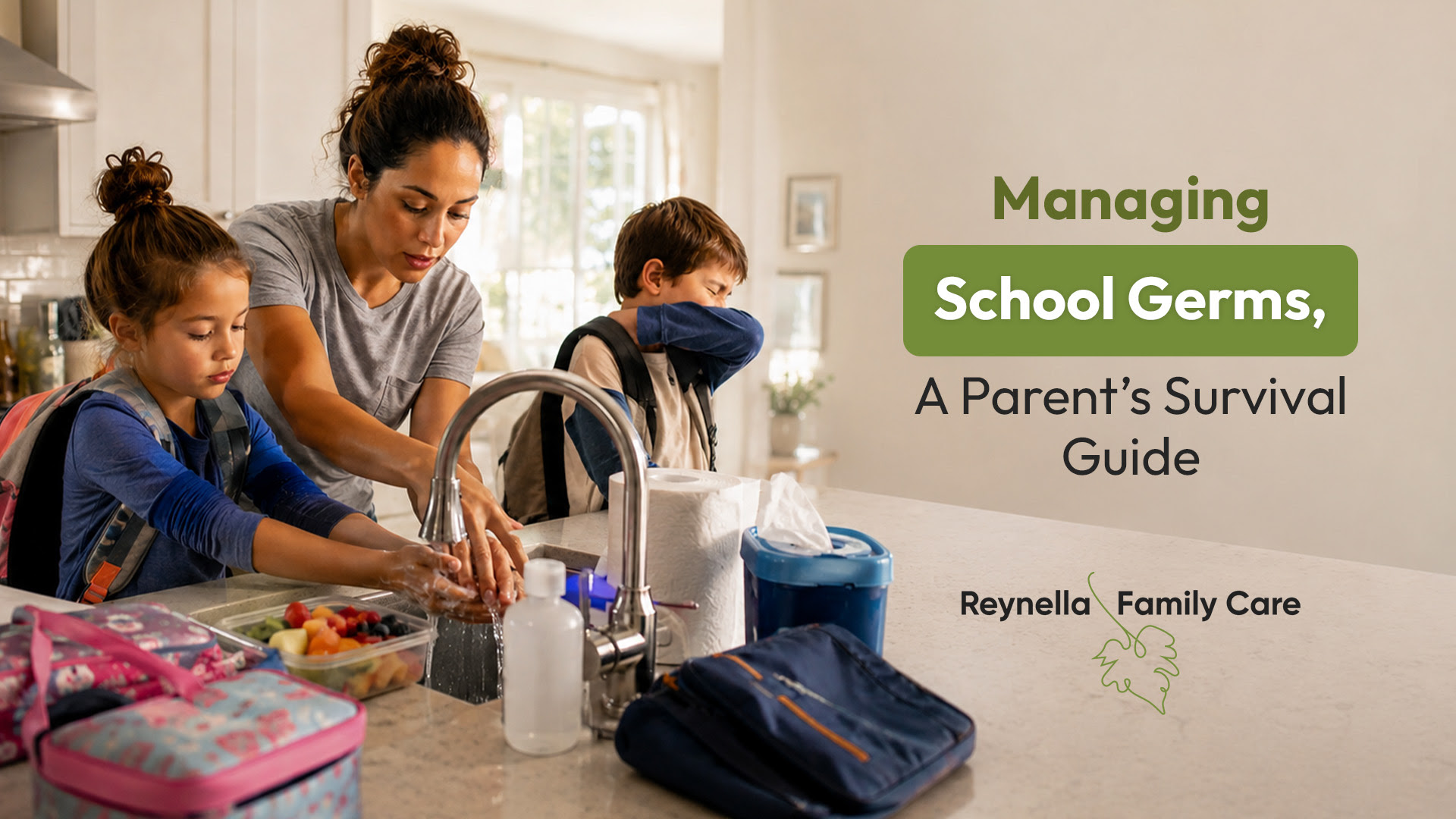
The start of a new school term is always a whirlwind of activity. There’s the excitement of new stationery, the rush of morning drop-offs, and the return to a structured routine. However, for many parents in the Reynella area, the return to school also signals the return of the “school germs.” When hundreds of children gather in enclosed classrooms, sharing toys, books, and playground equipment, it creates the perfect environment for viruses and bacteria to thrive.
At Reynella Family Care, we see a significant uptick in pediatric appointments during the first few weeks of every term. While it is impossible to keep your child in a sterile bubble, a proactive approach can significantly reduce the number of sick days your family faces this year.
This guide is designed to help parents navigate the classroom “germ pool” with confidence, covering everything from hand hygiene to the difficult decision of when to keep a child home.
Before we dive into prevention, it’s helpful to know what you’re up against. Most school-related illnesses are viral, meaning they don’t respond to antibiotics and simply need to run their course. Common classroom illnesses include:
Understanding these symptoms early allows you to take action before the entire household is affected. If you are ever unsure about a persistent cough or a mysterious rash, the team at Reynella Family Care is here to provide professional diagnosis and support.
It sounds simple, but handwashing remains the single most effective way to prevent the spread of infection. Most children (and many adults!) don’t wash their hands long enough or thoroughly enough to actually kill germs.
The “20-Second Rule” Teach your children to scrub their hands with soap for at least 20 seconds. A great way to time this is by having them sing “Happy Birthday” or the chorus of their
favorite song twice. They should focus on the backs of their hands, between their fingers, and under their fingernails the favorite hiding spots for bacteria.
Key Times to Wash:
For times when soap and water aren’t available, such as on the school bus or during outdoor play, pack a small bottle of alcohol-based hand sanitizer in their bag.
A strong immune system is your child’s best internal defense. While “immune-boosting” supplements are popular, the best results come from consistent lifestyle habits:
This is the most common dilemma parents face. You don’t want your child to miss out on learning, but you also don’t want to cause an outbreak in the classroom. As a general rule, you should keep your child home if they exhibit any of the following:
If your child is showing these symptoms, it’s a good idea to book an appointment early. Getting a professional opinion not only helps your child recover faster but provides peace of mind for the school community.
Young children are notoriously bad at covering their mouths. Teach them the “Vampire Sneeze” sneezing or coughing into the crook of their elbow rather than their hands. This prevents them from transferring germs onto every doorknob and pencil they touch afterward. Remind them that tissues should be “one and done” used once, thrown in the bin, followed immediately by handwashing.
Vaccination is a cornerstone of preventative health. Ensuring your child is up to date with their National Immunisation Program schedule is vital. Additionally, the annual Flu Vaccine is highly recommended for school-aged children. The flu spreads like wildfire in schools, and the vaccine is the best way to prevent severe illness and complications.
At Reynella Family Care, we provide a comfortable and supportive environment for childhood vaccinations. Our nursing and GP team are experienced in making the process as stress-free as possible for both “brave” and “nervous” little patients.
To keep school germs out of your home, try implementing a “decontamination” routine when the kids get back:
Even with the best preparation, children will inevitably get sick. It is actually a natural part of building a robust adult immune system. When those “school germs” do catch up with your family, remember that you have a local team ready to help.
Whether you need a medical certificate, a developmental check-up, or just some reassurance regarding a fever, Reynella Family Care is committed to the health of our local community.


We are committed to providing high-quality care and ensuring all patients are treated with respect, dignity, and compassion. If you are unhappy with any aspect of your care or experience at our practice, we encourage you to raise your concerns so we can respond promptly and appropriately.
In the first instance, we recommend speaking directly with your treating doctor or a member of our reception team. You may also request to speak with the Practice Manager, who will assist in reviewing and resolving your concern.
If you feel your complaint has not been resolved, or you would prefer to raise it externally, you may contact the Health and Community Services Complaints Commissioner (HCSCC), an independent organisation that handles complaints about health service providers in South Australia.
All complaints are treated confidentially and respectfully. Raising a concern will not affect your ongoing care. We value your feedback and use it to continually improve our services and patient experience.